
An Impossible Choice: Domestic Violence a Cause of Homelessness
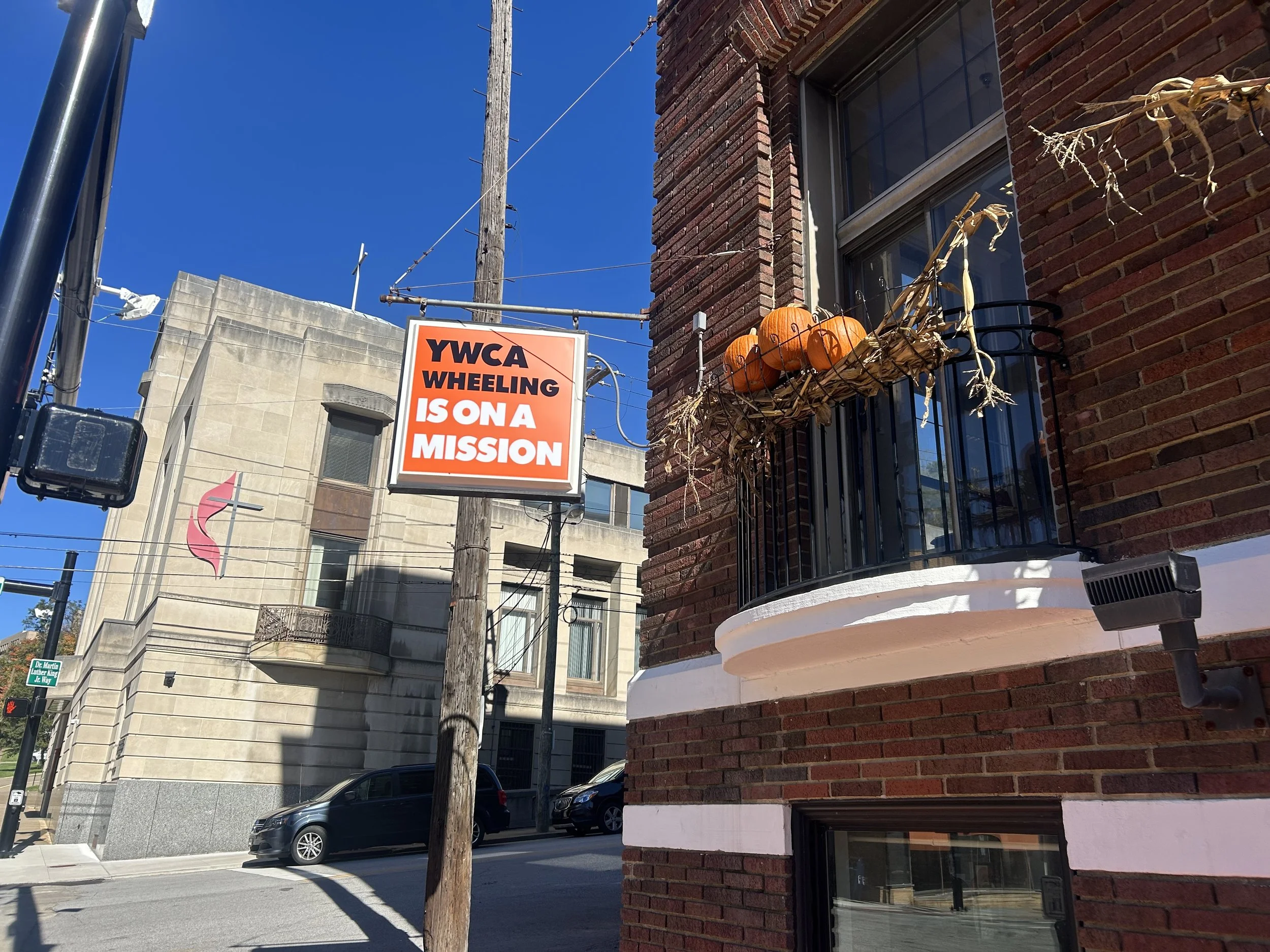
October is Domestic Violence Awareness Month, a time to educate on domestic violence and honor its victims and survivors.
The YWCA receives at least three calls a week regarding domestic abuse in the Wheeling area and beyond. But for many survivors, escaping the abuse is only the first barrier.
Haley Reed, Young Women’s Christian Associates teen advocate, said many victims will hit a breaking point and choose homelessness over staying in an abusive relationship.
She added that many victims may be unaware that their abuser has not been paying rent or bills, so when the victim applies for housing or to find a new home, they are met with a situation where their record shows that they owe money or did not pay a utility bill.
Hidden debts like these are referred to as financial manipulation, which frequently leaves victims completely locked out of the housing market, forcing them to choose between homelessness or staying in a dangerous home.
Roughly 80% of people who entered the YWCA’s Family Violence Prevention Program in the fiscal year were experiencing domestic violence and homelessness at the same time, according to Reed.
Another barrier many domestic violence victims face is transportation. Those coming from single-vehicle families or who depend on public transportation to get to and from places might have a more difficult time leaving a dangerous situation.
The YWCA serves many rural areas, including Wetzel County and New Martinsville, which do not have public transportation. This lack of access to transportation leads many victims to stay in abusive situations.
Another factor that plays into these situations is childcare. A lot of victims are stay-at-home caretakers who are not able to work – this means they are always home with the child and the abuser always knows where they are, Reed said. However, when victims go to work, they may be tracked by their abuser on Snapchat or Life 360 or a hidden feature installed on their phone.
“Abusers may limit the time and amount that they work to limit their income, to limit the accessibility they have to things,” Reed said.
The fear of child protective services becoming involved often also plays a role. If a family is sleeping in a car while leaving a dangerous situation and child services are notified, the children may be placed back with the abusive partner.
There is also a shortage of shelters and long-term housing that accommodates families, according to Reed.
“Normally, once people are in housing, they're in and they stay there long term,” she said. “But a majority of the survivors have children, so there's certain qualifications that the apartment has to meet in order for the children to go to that apartment with their parents, whether it be age limit or gender specifications on the bedding situation.”
Reed wants people to know that domestic violence does not discriminate; it happens across all economic statuses, socio-economic standards and more.
“A lot of people don't realize that it takes a lot of courage for someone to even disclose that they're in an abusive or violent relationship,” Reed said. “And then when someone makes that comment, ‘Why don't you just leave?’ It actually breaks down the trust that person has with you, and it lowers their self-esteem and the worthiness that they feel to finally be able to say, ‘“Hey, this is happening to me.’”
The YWCA offers a 24/7 crisis hotline and a 24/7 emergency safe shelter. The organization also provides relocation services, legal aid referrals, court advocates, a monitored visitation and exchange program for parents who can still be involved in their children’s lives, the Batterers Intervention and Prevention Program and teen advocates.
Reed said it’s important to look at the “Why” – why people are homeless and struggling with housing. Frequently, domestic violence situations are the root cause of the homelessness.
“There's always a reason that has led to this person struggling with housing and stable housing … Reed said. “I think kindness and compassion go a very long way to understanding and helping those who are struggling with stable housing and homelessness.”