“The Social Question” - Answers for Today from Our Response to Poverty A Century Ago
They called it ‘The Social Question.’
“What to do about all these poor people!? Especially in the face of a new age of American innovation, prosperity, and wealth?” We are asking it today, in Wheeling and across the country, too often fraught with overwhelm at the unsurmountable complexity of the seemingly unprecedented situation.
But we asked these questions before, under the amazingly similar conditions of the late 1800’s and turn of the 20th century.
They called it ‘The Social Question.’ What to do about the modern, urban-rural, fast-changing, technology-driven situation of unprecedented wealth juxtaposed with unprecedented poverty?
What to make of the haves and the have-nots? The rich and the poor? Workers and owners? Especially in a constantly changing world…
How do we even approach the question?
Do we do a thorough analysis of the current situation? How rich are the rich; and how poor the poor? And how did they both get there?
Do we just start responding to it? “Everyone get a job. Or a savings account.” “Let’s start a soup kitchen.” “Let’s get back to the way things were before, before these problems existed.”
Even just thinking about it evokes so many emotions. The splendor and awe of gilded statues, magnificent buildings, and powerful men. The repugnant filth of beggars, the wretched poor, the wasted lives of irresponsible choices draining and pulling everyone else down.
Do we apply systems to the question – an economic, religious, or political approach? “This is the capitalistic system working.” “What does the Bible say about if these levels of wealth and/or poverty are moral or just?” “Vote with us, we've got the fix!”
Then as Today
All of this was wrapped up into what they called ‘The Social Question’ more than 100 years ago, during the turn of the 20th Century, the Industrial Revolution, the Gilded Age. And it left lasting marks on our society. Some marks are as evident today as ever. Other marks that have largely faded from our collective memory today. And still others might be fading, and it’s up to us to decide if they’re worth letting go of, or bringing back.
Some of our most beloved literary and cultural works – The Christmas Carol, Oliver Twist, The Jungle – were written and became staple household stories speaking precisely to the context of The Social Question.
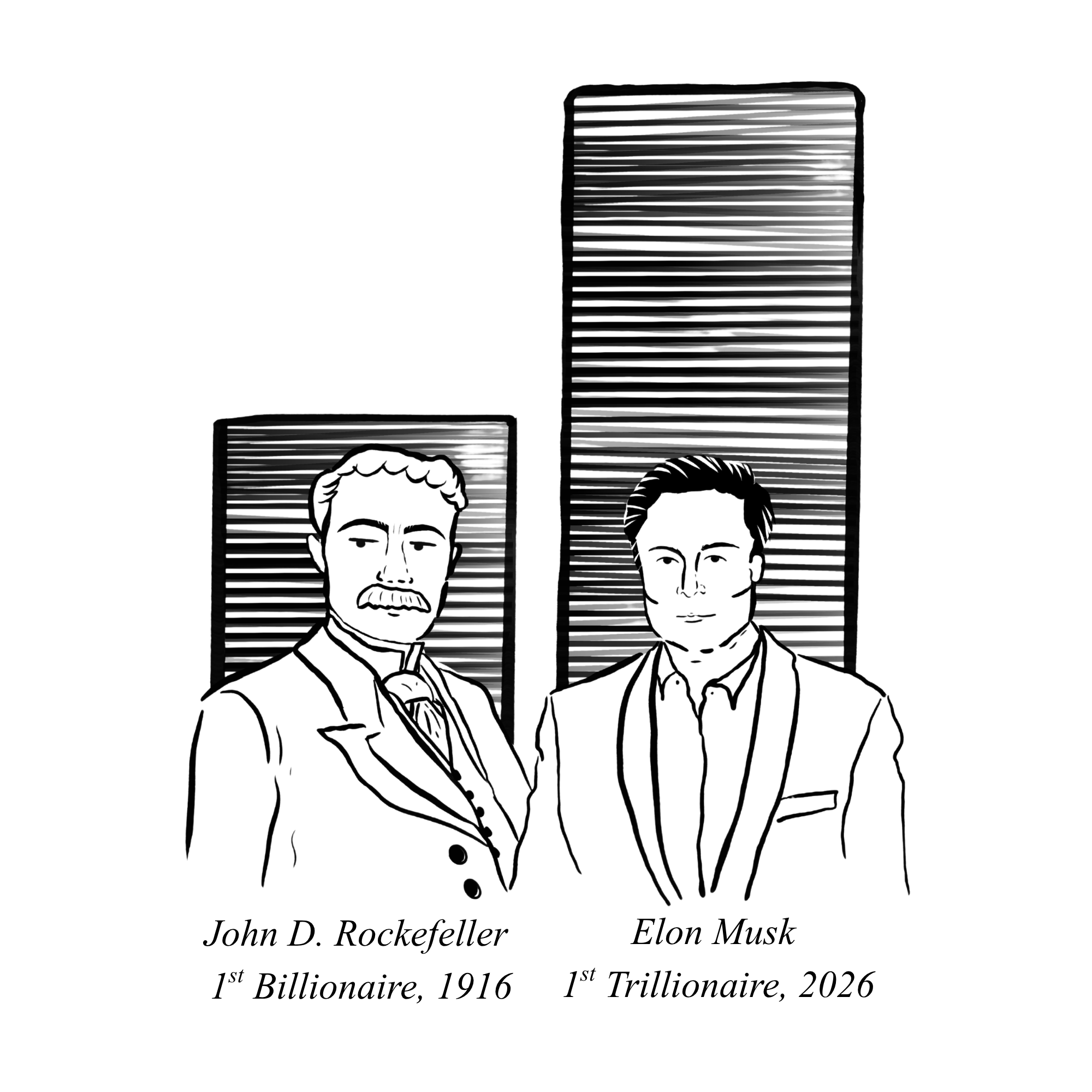
Some of our greatest examples of unparalleled wealth – John D Rockefeller, Andrew Carnegie – come from this era, even as they are only today surpassed by today’s new generation of ultrawealthy - Elon Musk, Mark Zuckerburg, or Jeff Bezos.
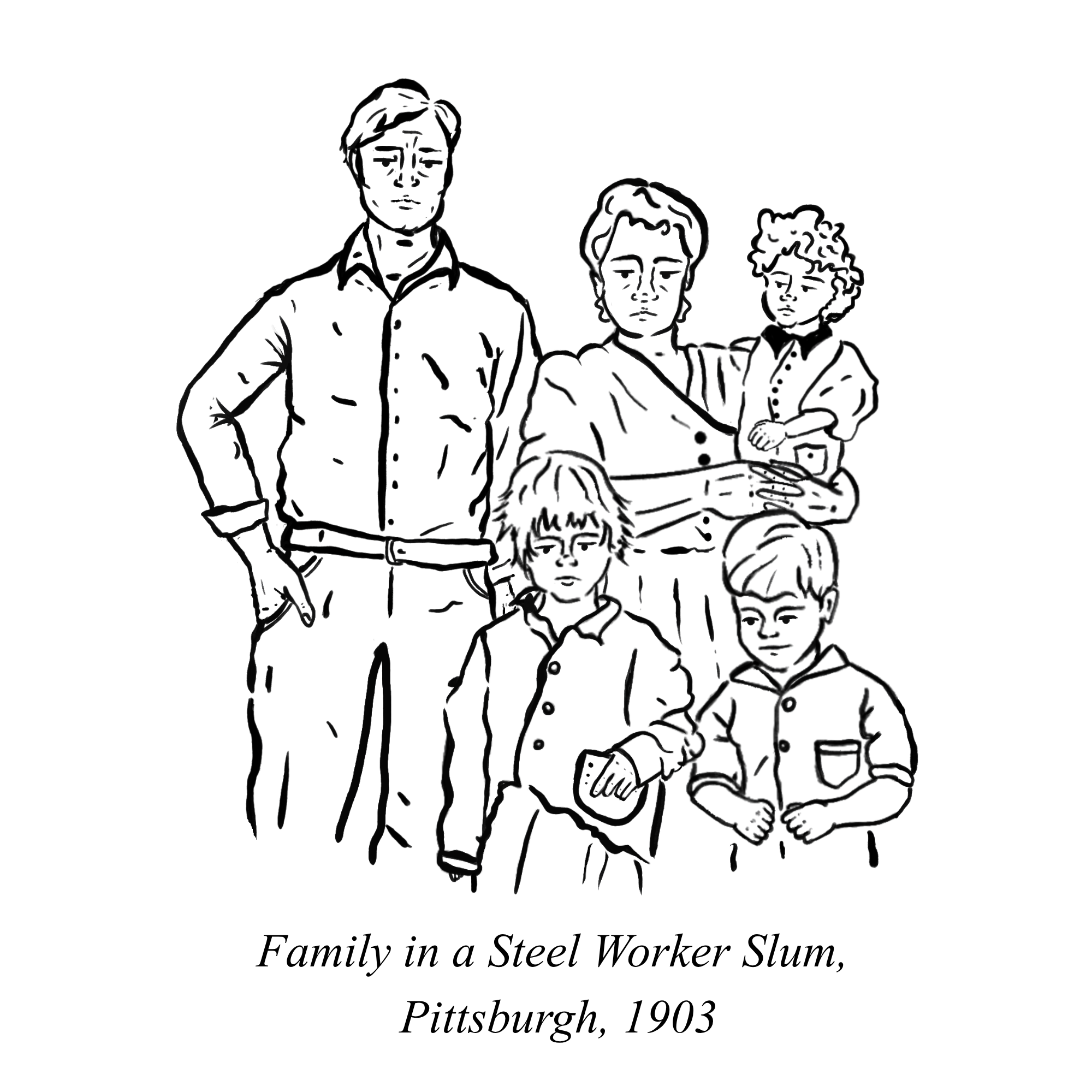
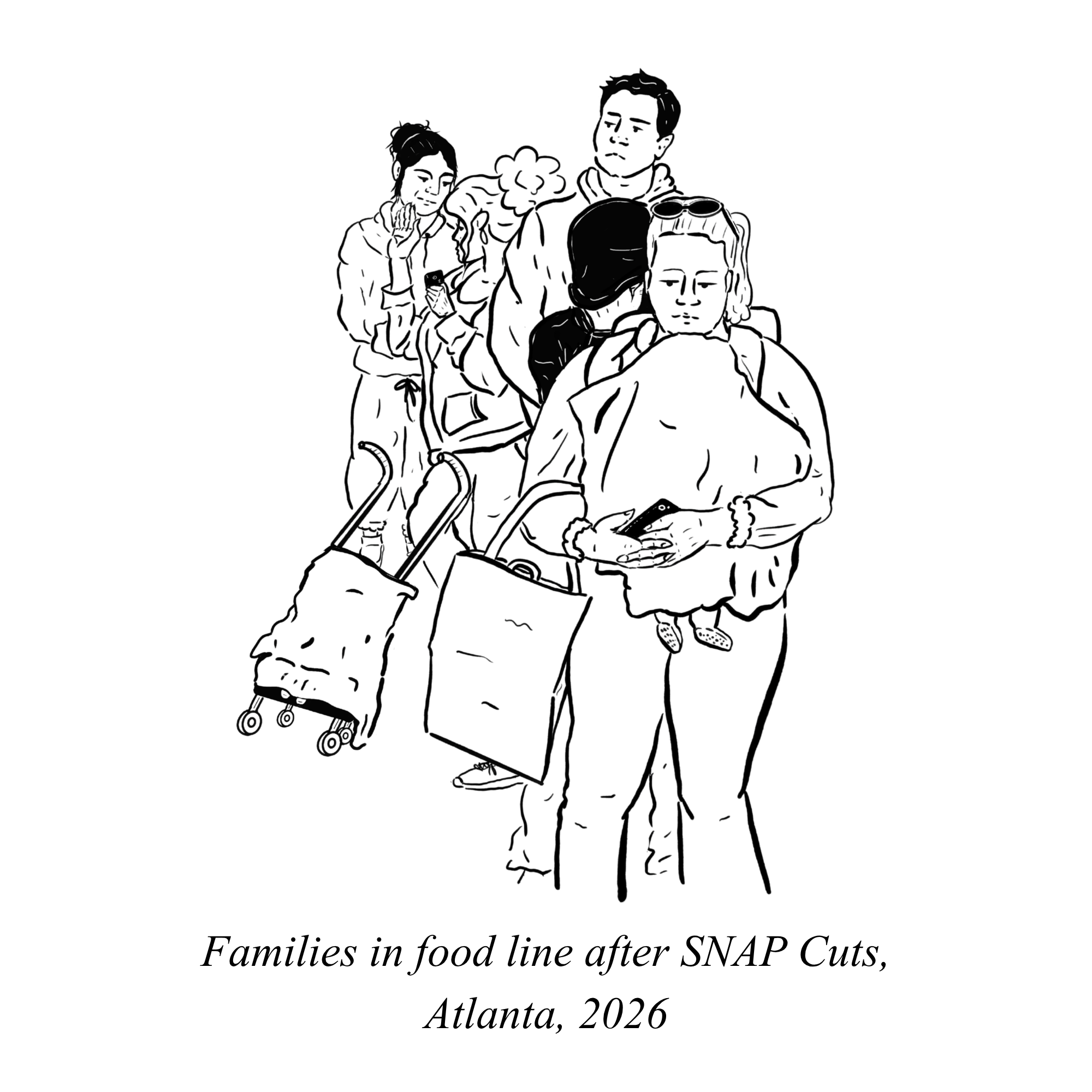
Some of our greatest examples of poverty and exploitation come from this era – sweat shops, child labor, tenement housing, homelessness and urban slums – new industrialized urban phenomena that faced whole classes of people who previously could at least have counted on the farm. Even as today a new generation of poor look very different – less than half of West Virginians work, less than half of WV children enter adulthood proficient in math & reading, and more than half of West Virginians will be in poverty in their lifetime. All in the wealthiest country in the history of the world.
Responding
But our response to The Social Question 100 years ago might provide the most significant takeaways as we look around at the situation facing us today and are left asking, “what now?”
In response to The Social Question the first boarding homes were started, as were formalized systems of education for everyone. Indeed, the whole field of Social Work as we know it today was born as we wrestled with The Social Question. Today boarding houses are all but non-existent, education is at several cross-roads, while social work teeters on the eroding edges of budget cuts and department consolidations.
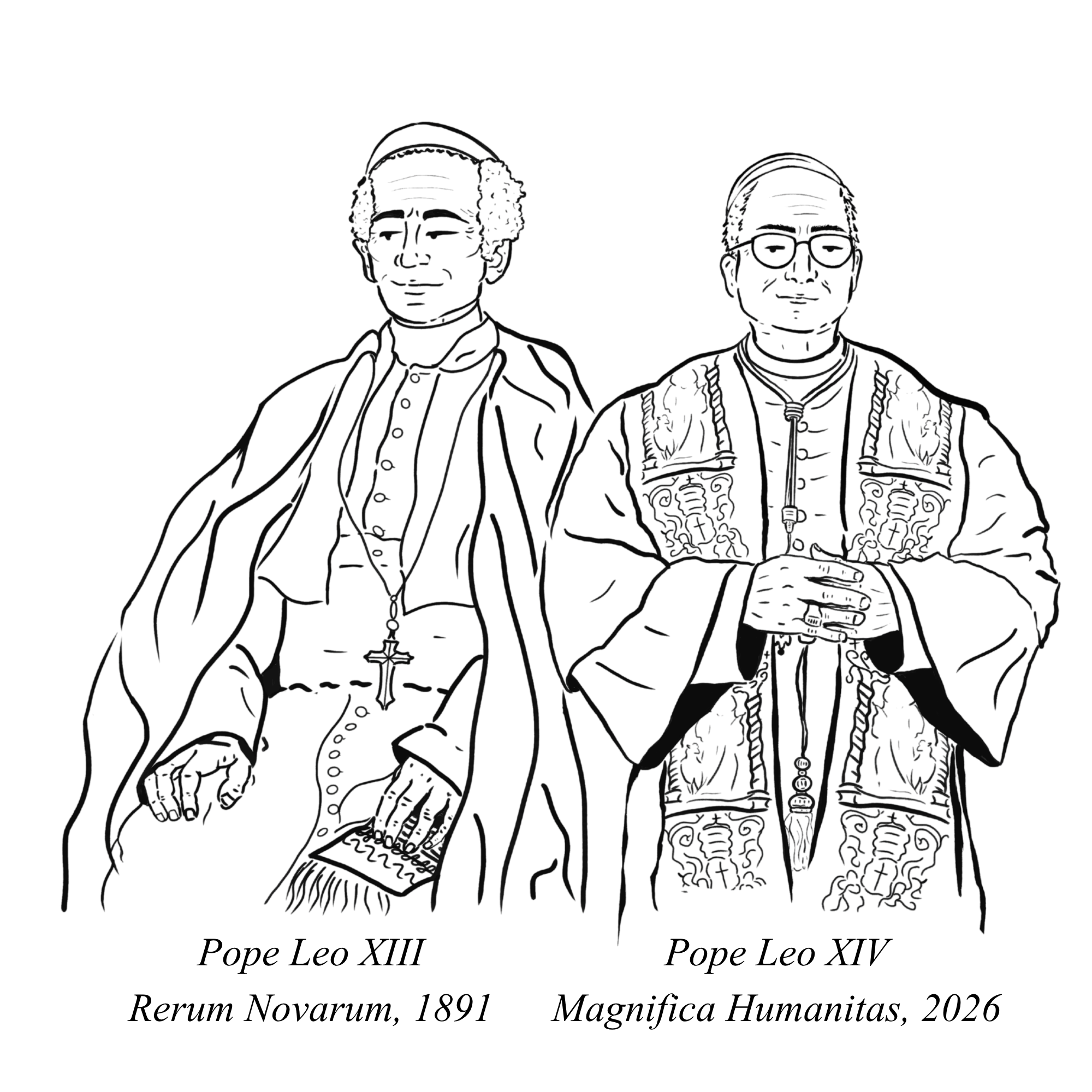
The church broke all known conventions in response to The Social Question. Speaking to the gravity of the situation, instead of theological writing about heavenly rewards and earthly sins, Pope Leo the 13th wrote a letter called “On New Things” specifically addressing the Social Question. Speaking the language of morality and faith to social issues while 50-70% of Americans attended church weekly, this encyclical started what we now call the wide-ranging field or movement of “Social Justice.” Practically, it spurred the modern labor movement – the formation of trade unions, strikes for better working conditions, and union membership which topped 20 Million, 35%, of US workers. Today, both church attendance and union membership are at all time lows in the US, less than 10%. But, for the first time, we have an American Pope, a new Pope Leo, the 14th. Will the church weigh in on ‘The Social Question’ again today?
In this column we’ll explore The Social Question. Breaking off and tackling one piece at a time – wealth, poverty, religion, politics, and culture – both in the context of the last century and today. What are the similarities and differences? How did we respond then? Which responses have stood the test of time, and which have faded? And perhaps most importantly, how can our response to The Social Question then, inform our response to The Social Question, today?